Deployment stories and project history.
This is the multi-page printable view of this section. Click here to print.
History
Deployment stories, ship returns, presentations, and project history.
- 1: Korea Polar Research Institute 2024
- 2: TWK5 Canada 2019–2021
- 3: TAS 2019 to 2022
- 4: Melbourne University 2018
- 5: Japan 2018
- 6: NIWA 2017
- 7: NYU UAE 2017
- 8: Japan 2016
- 9: NIWA Test 2016
- 10: Internal Test Deployment
- 11: Scott Base Testing 2014
- 12: NIWA 2012 — Original Deployment (Nature 2014)
1 - Korea Polar Research Institute 2024
Eleven-buoy deployment with the Korea Polar Research Institute, March 2024. Project id kopri.
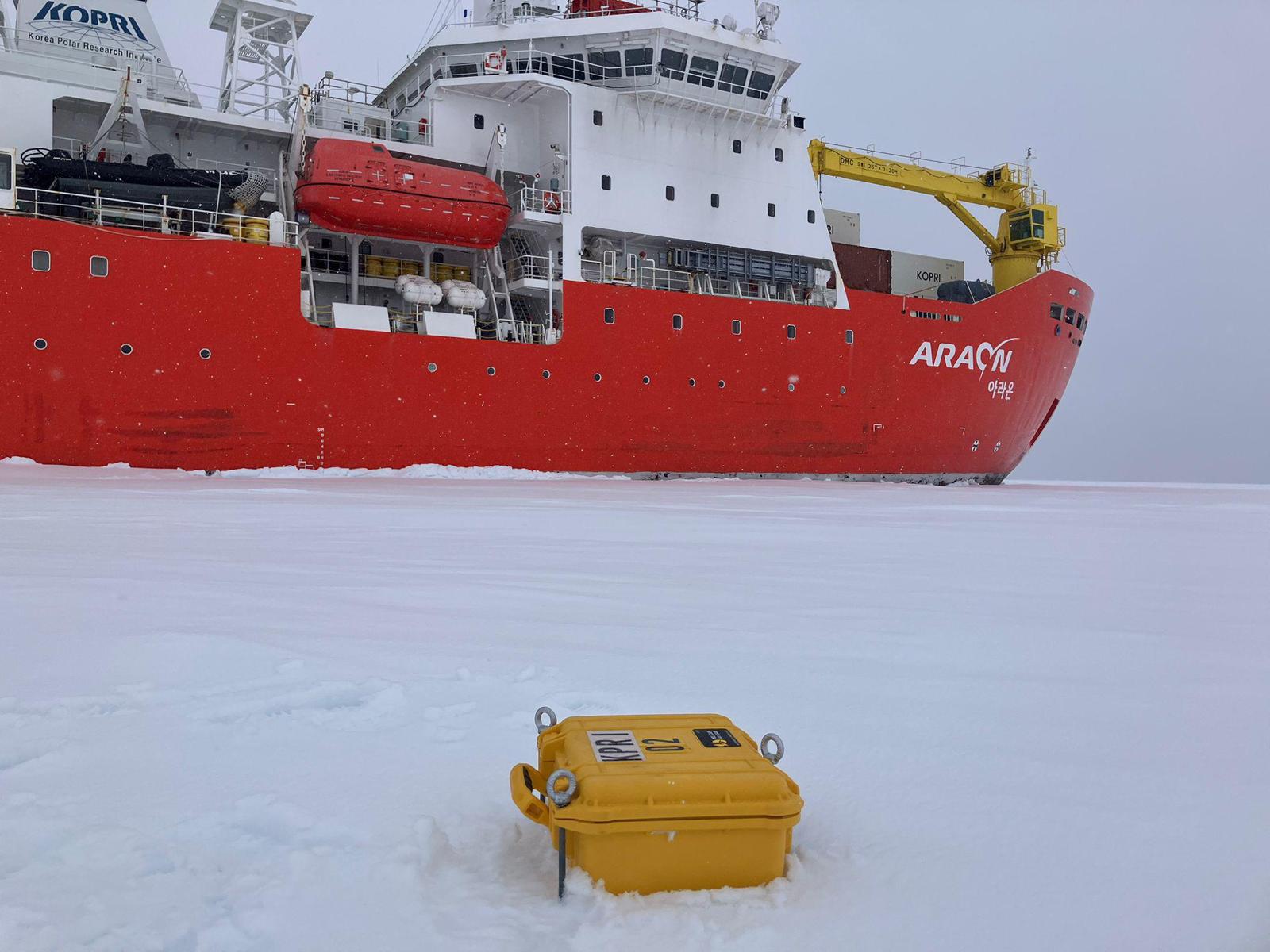
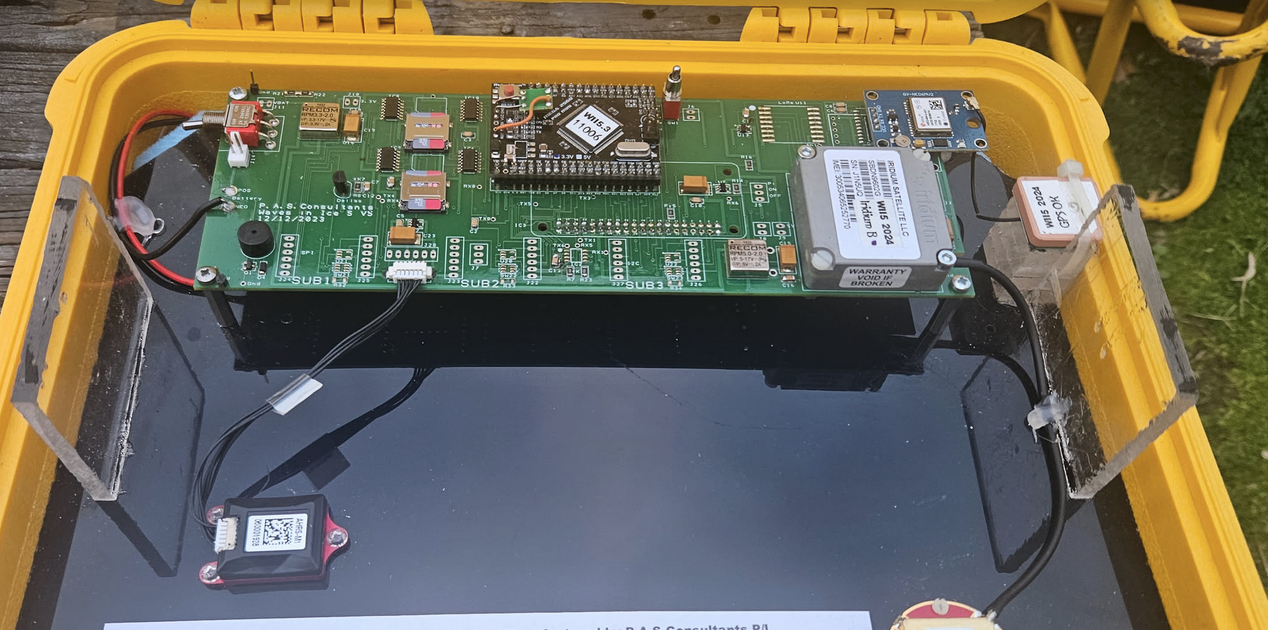
Eleven-buoy deployment with the Korea Polar Research Institute starting
1 March 2024 (project id kopri). Details, ship, location, retrievals,
and photos to follow.
2 - TWK5 Canada 2019–2021
Two-buoy Canadian deployment running 2019 through 2021. Project id twk5.
Two-buoy deployment in Canadian waters starting 1 December 2019 and
running through 2021 (project id twk5). Details, ship, location,
retrievals, and photos to follow.
3 - TAS 2019 to 2022
Fourteen-buoy Tasmanian deployment running 2019 through 2022. Project id tas2019.
Fourteen-buoy deployment running through Tasmanian waters from 1 July
2019 through 2022 (project id tas2019). One of the longest-running WII5
projects to date. Details, ship, location, retrievals, and photos to follow.
4 - Melbourne University 2018
Single-buoy deployment with the University of Melbourne, November 2018. Project id unimelb2018.
Single-buoy deployment with the University of Melbourne starting
1 November 2018 (project id unimelb2018). Details, ship, location,
retrievals, and photos to follow.
5 - Japan 2018
Three-buoy deployment in Japan, March 2018. Project id japan2018.
Three-buoy deployment in Japan starting 26 March 2018 (project id
japan2018). Details, ship, location, retrievals, and photos to follow.
6 - NIWA 2017
Fourteen-buoy deployment with NIWA (New Zealand), April 2017. The Intel Edison all-in-one Linux generation — no AVR companion. Project id niwa2017.
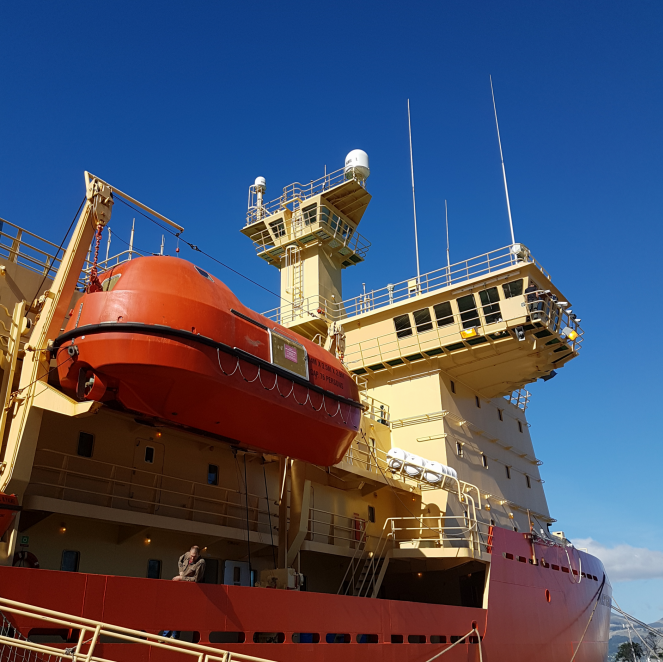
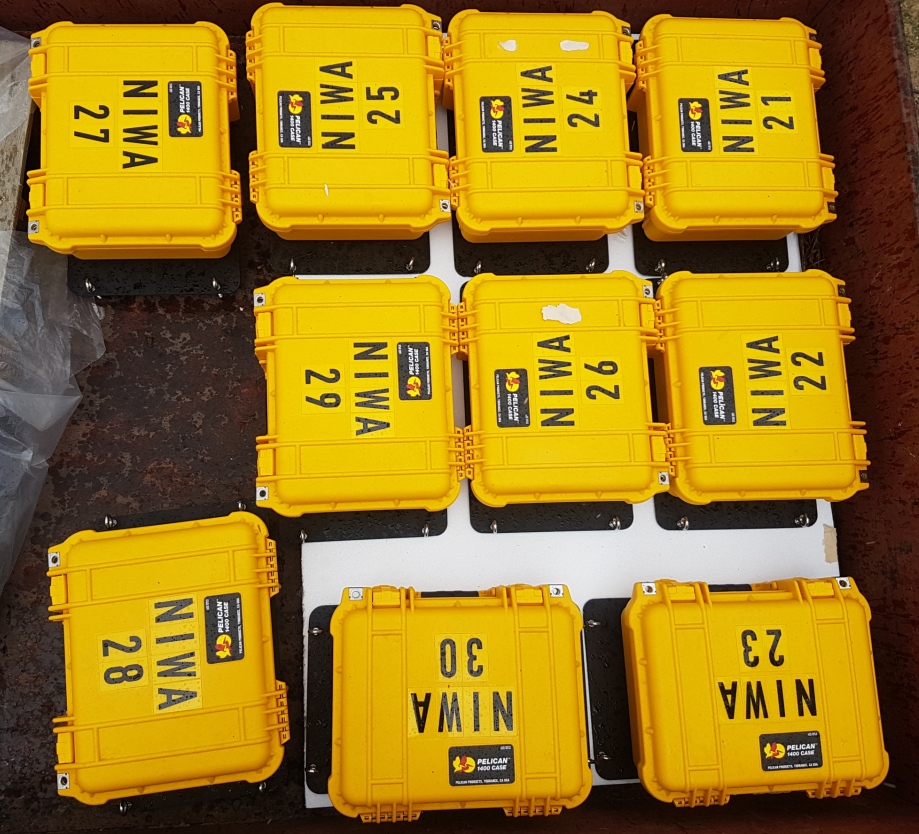
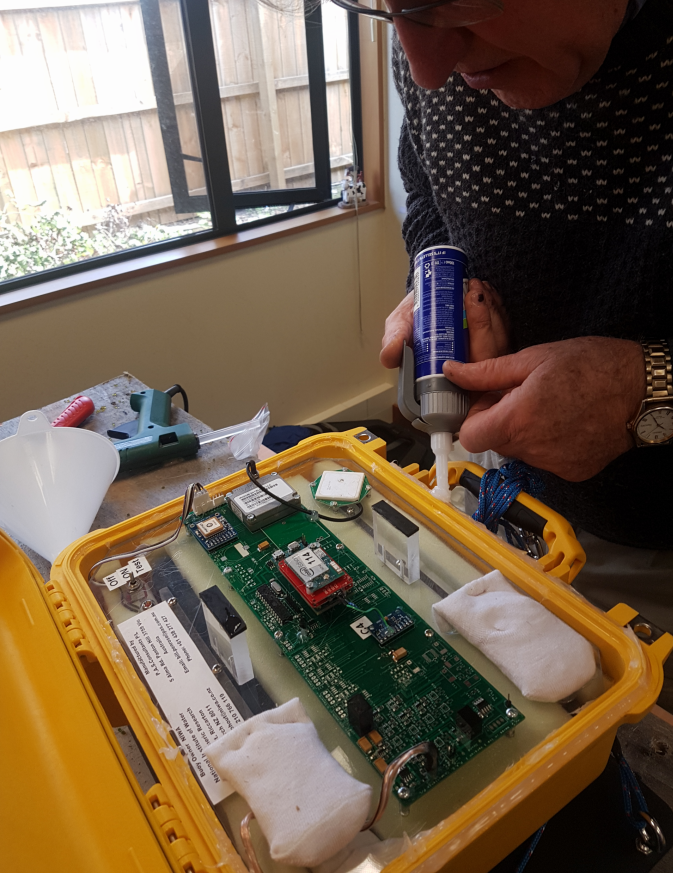
Fourteen-buoy deployment with NIWA (New Zealand’s National Institute
of Water and Atmospheric Research) starting 1 April 2017 (project id
niwa2017).
This was the Intel Edison all-in-one Linux generation: the buoy ran everything — sensor capture, GPS, Iridium, scheduling — on a single Edison module running Linux. No AVR companion CPU. The Edison was chosen for its small form factor and reasonable power profile at the time; it later became the limiting factor (Intel discontinued the Edison line) and prompted the move back to AVR for WII5.
The dashboard, capture pipeline, and watchdog management for this build are documented under Software → Other → WII3_Dashboard.
Details, ship, location, and retrievals to follow.
7 - NYU UAE 2017
Two-buoy deployment with NYU UAE, April 2017. Project id nyuuae.
Two-buoy deployment with NYU UAE (New York University Abu Dhabi)
starting 1 April 2017 (project id nyuuae). Details, ship, location,
retrievals, and photos to follow.
8 - Japan 2016
Two-buoy deployment in Japan, September 2016. Project id japan2016.
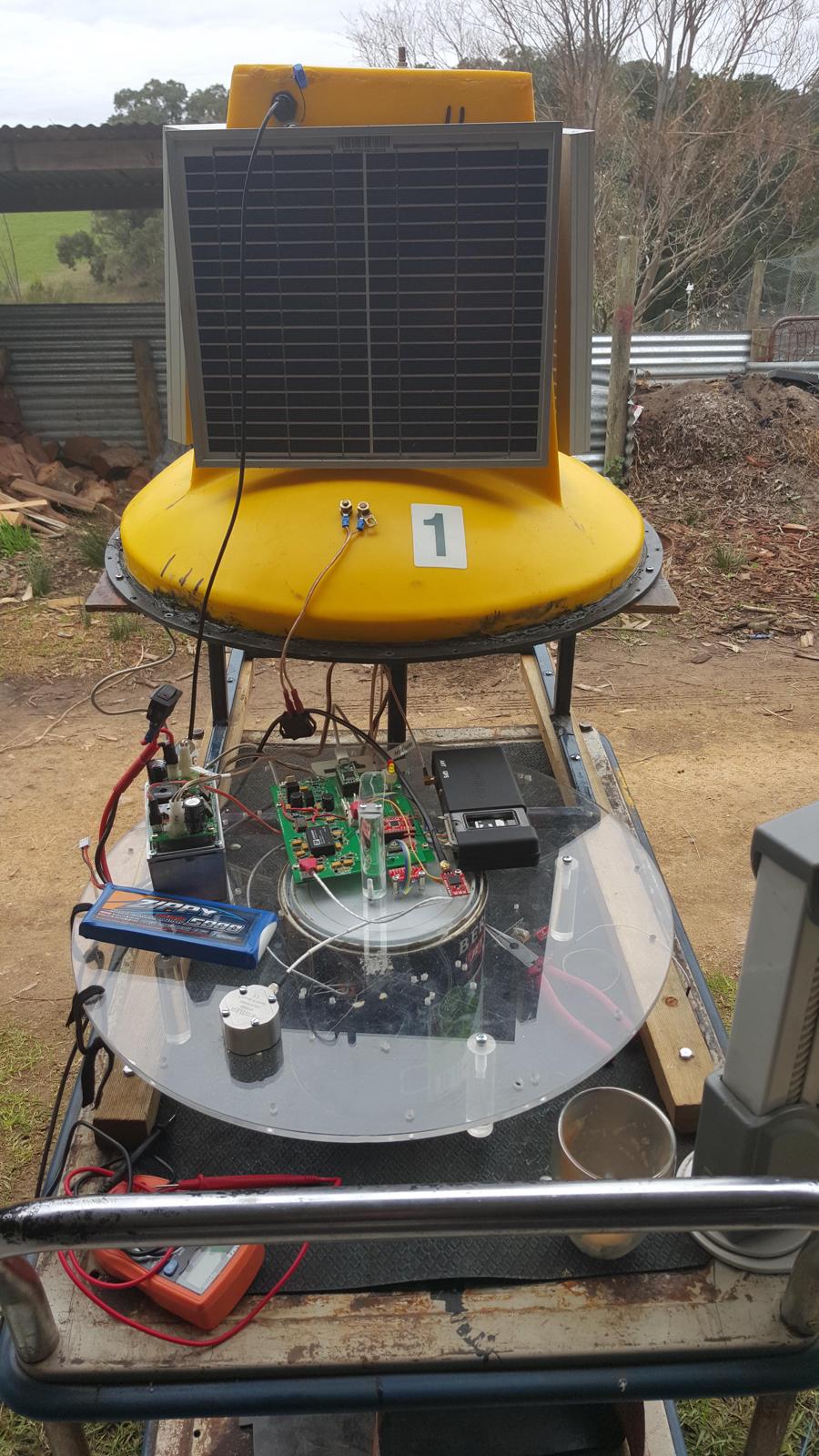
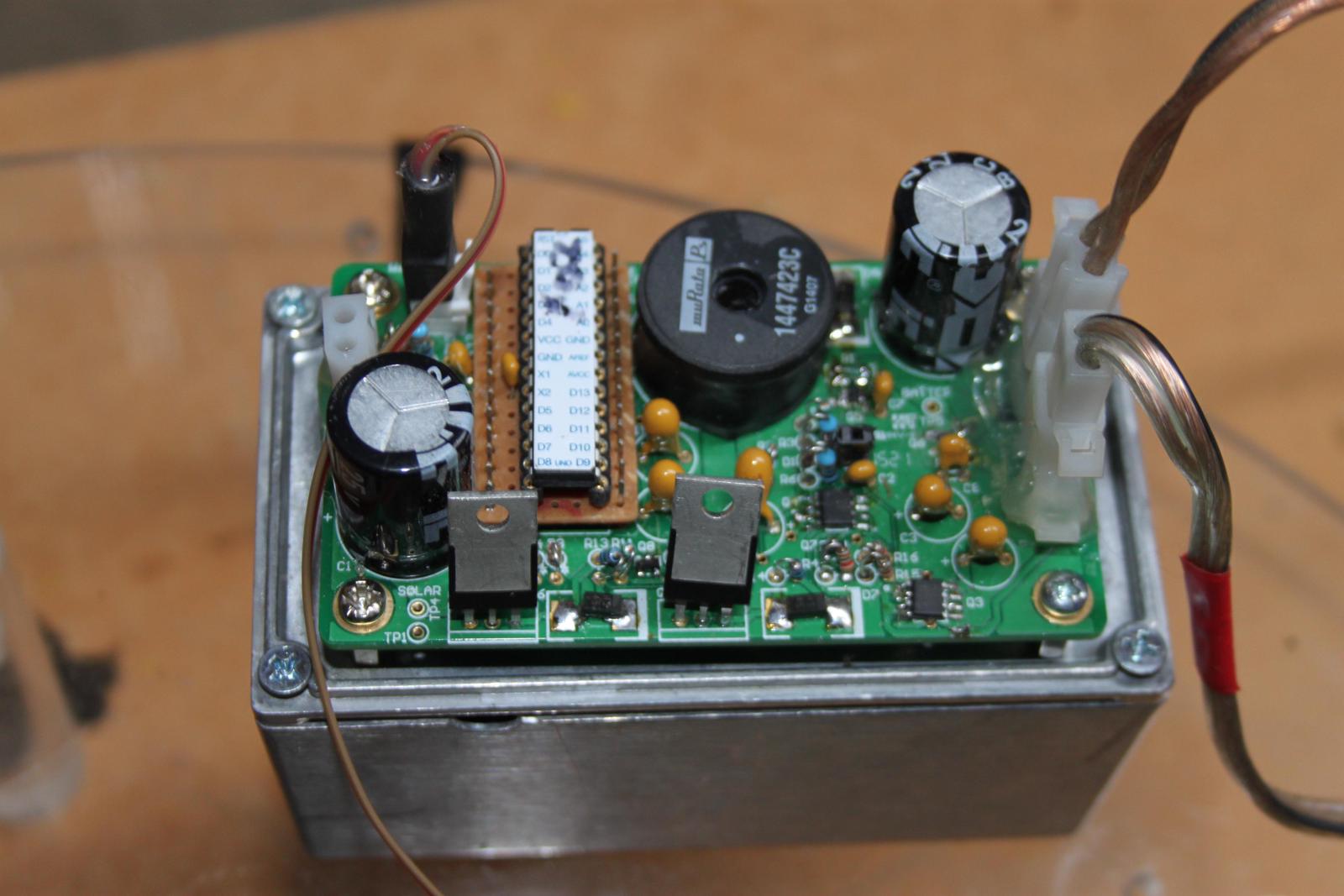
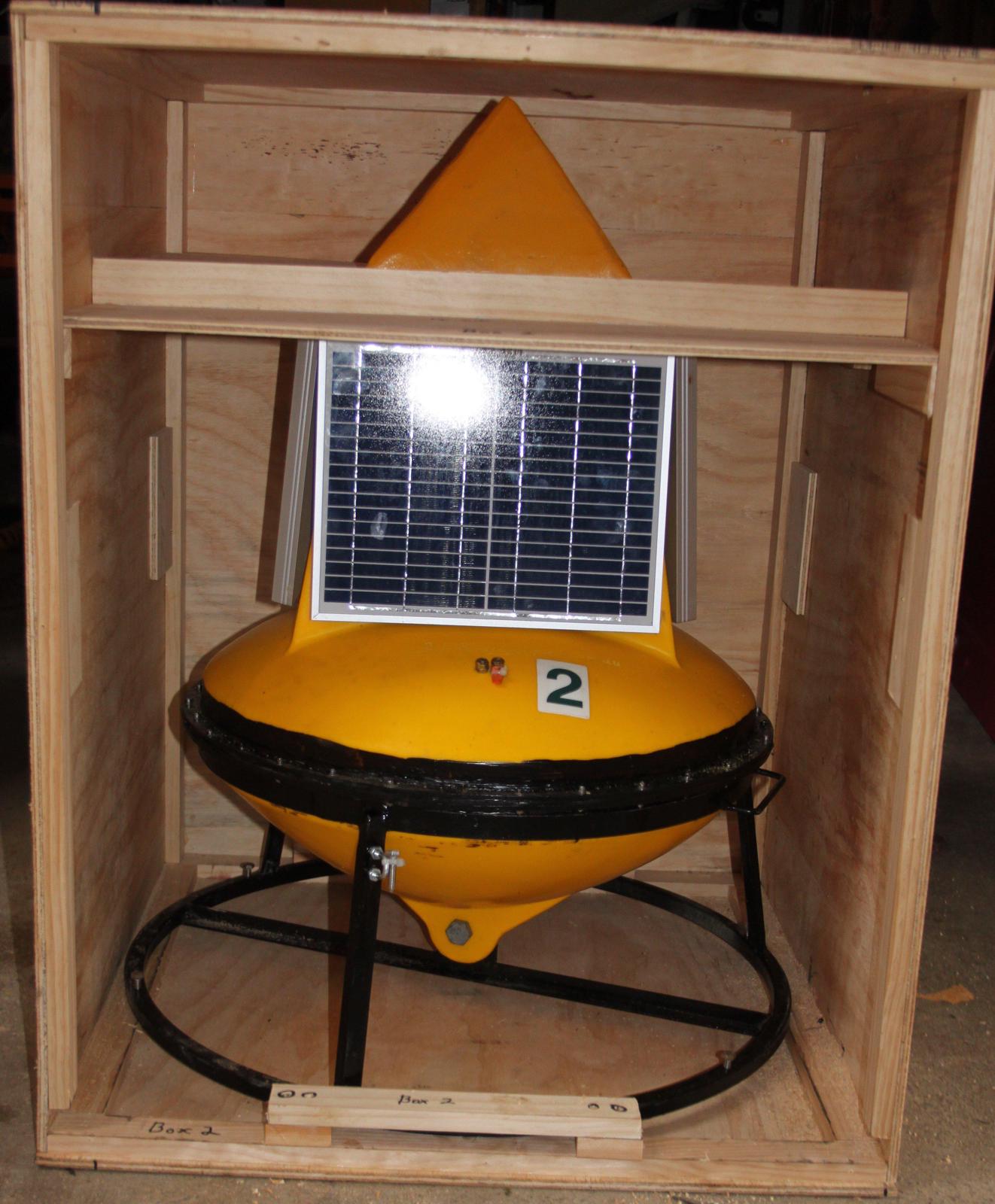
Two-buoy deployment in Japan starting 9 September 2016 (project id
japan2016). Details, ship, location, retrievals, and photos to follow.
9 - NIWA Test 2016
Internal NIWA test deployment, project id niwatest2016. Zero buoys recorded — placeholder / system test entry.
Internal NIWA test deployment (project id niwatest2016). Zero buoys
recorded — appears to be a system test rather than a real deployment.
The dashboard records a deployment date of
13/05/2026, which looks like a placeholder default rather than a real date. Verify and correct when the deployment story is written up.
10 - Internal Test Deployment
Internal test deployment, project id test2016. Two buoys, not a real-world project.
Internal test deployment (project id test2016), two buoys. Not a
real-world deployment — used for testing the server and dashboards.
The dashboard records a deployment date of
13/05/2026, which looks like a placeholder default rather than a real date.
11 - Scott Base Testing 2014
NIWA-led testing of the WII2 sensor board at Scott Base, Antarctica — November 2014. Captured Kistler accelerometer, MPU9150 IMU, GPS, and Iridium telemetry at 2–8 Hz.
NIWA-led field testing of the WII2 sensor board at Scott Base, Antarctica — November 2014. The trip exercised the second-generation buoy hardware end-to-end before any open-water deployment.
Hardware under test:
- Sparton inclinometer for orientation
- MPU9150 IMU (accelerometer / gyroscope / magnetometer)
- Kistler high-precision accelerometer for wave motion
- Venus GPS for position and timing
- Iridium 9602 / 9522B SBD modems for telemetry
- Sampling at 2–8 Hz to SD card, with periodic SBD transmission
The WII2 firmware tree that drove this trial is documented under Software → Other → WII2_Board. The campaign sat between WII1 (the original 2012 buoy) and the WII3 generation that followed.
See also
- WII1–WII3 buoy types — the broader generational lineage.
- NIWA 2012 — Original Deployment (Nature 2014) — the earlier WII1 work that produced the seminal Nature result.
12 - NIWA 2012 — Original Deployment (Nature 2014)
The seminal 2012 NIWA deployment — eight WII buoys, the first digital sea-ice wave measurements ever collected. The data became the 2014 Nature paper on storm-induced sea-ice breakup.
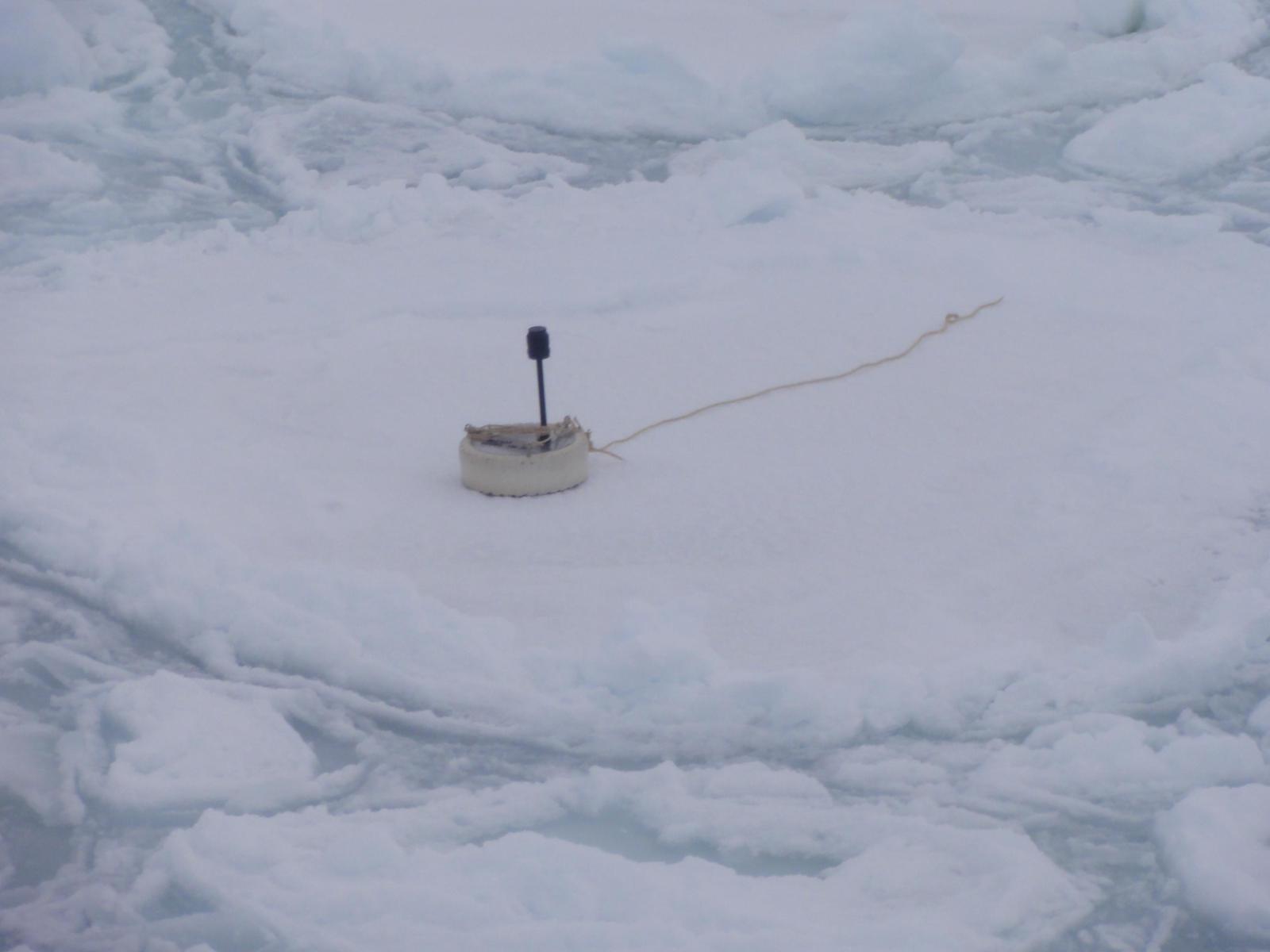
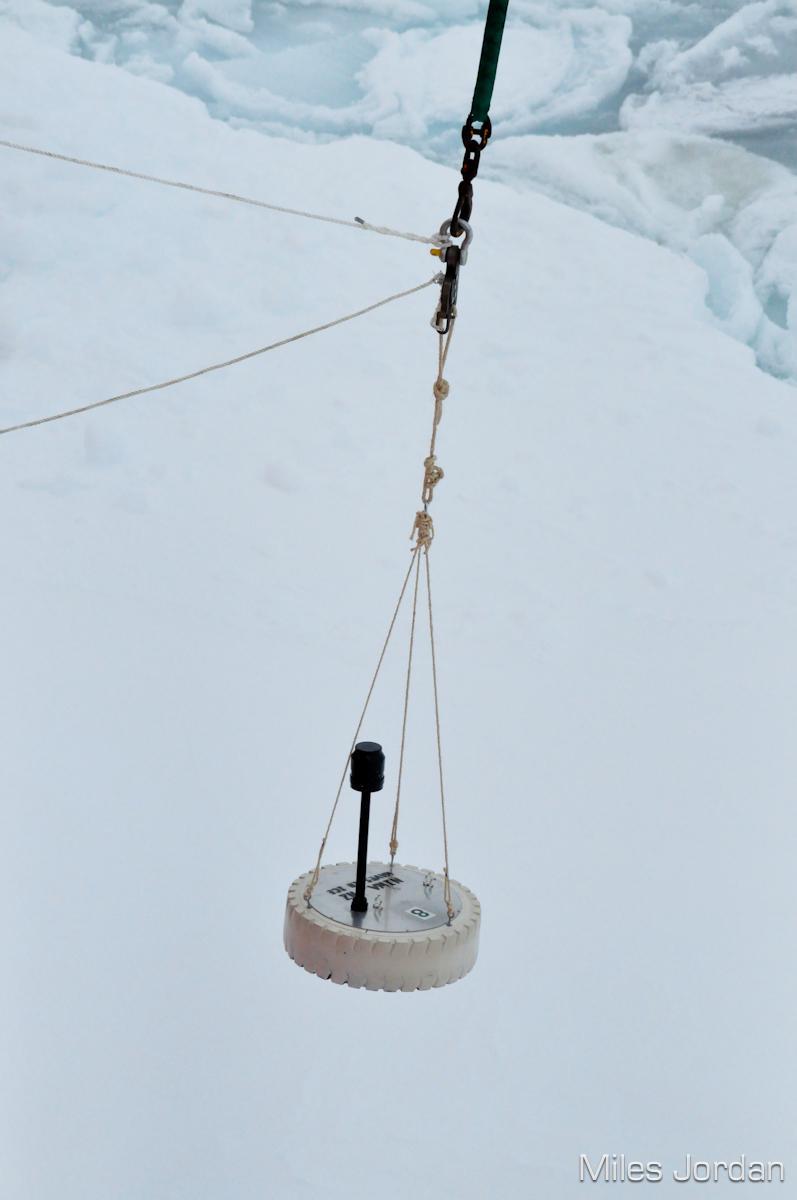
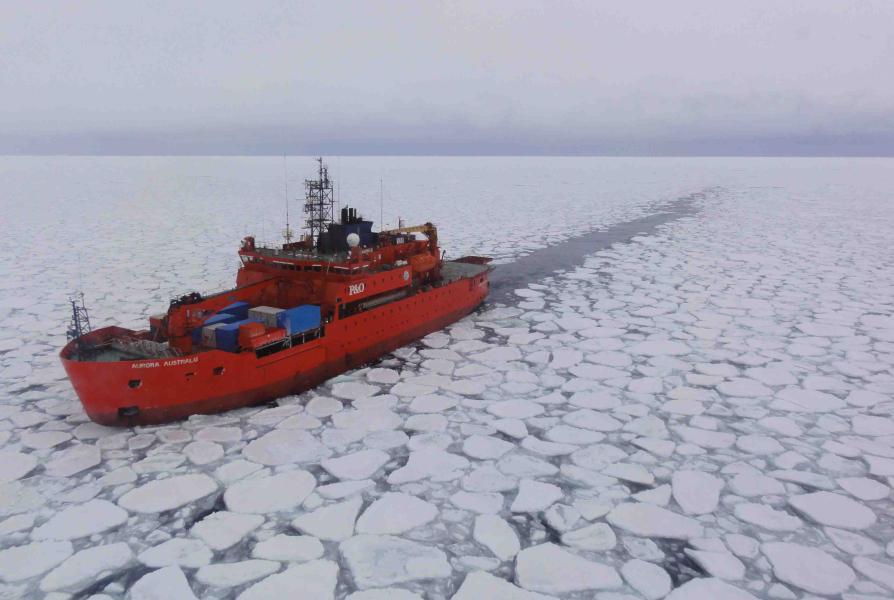
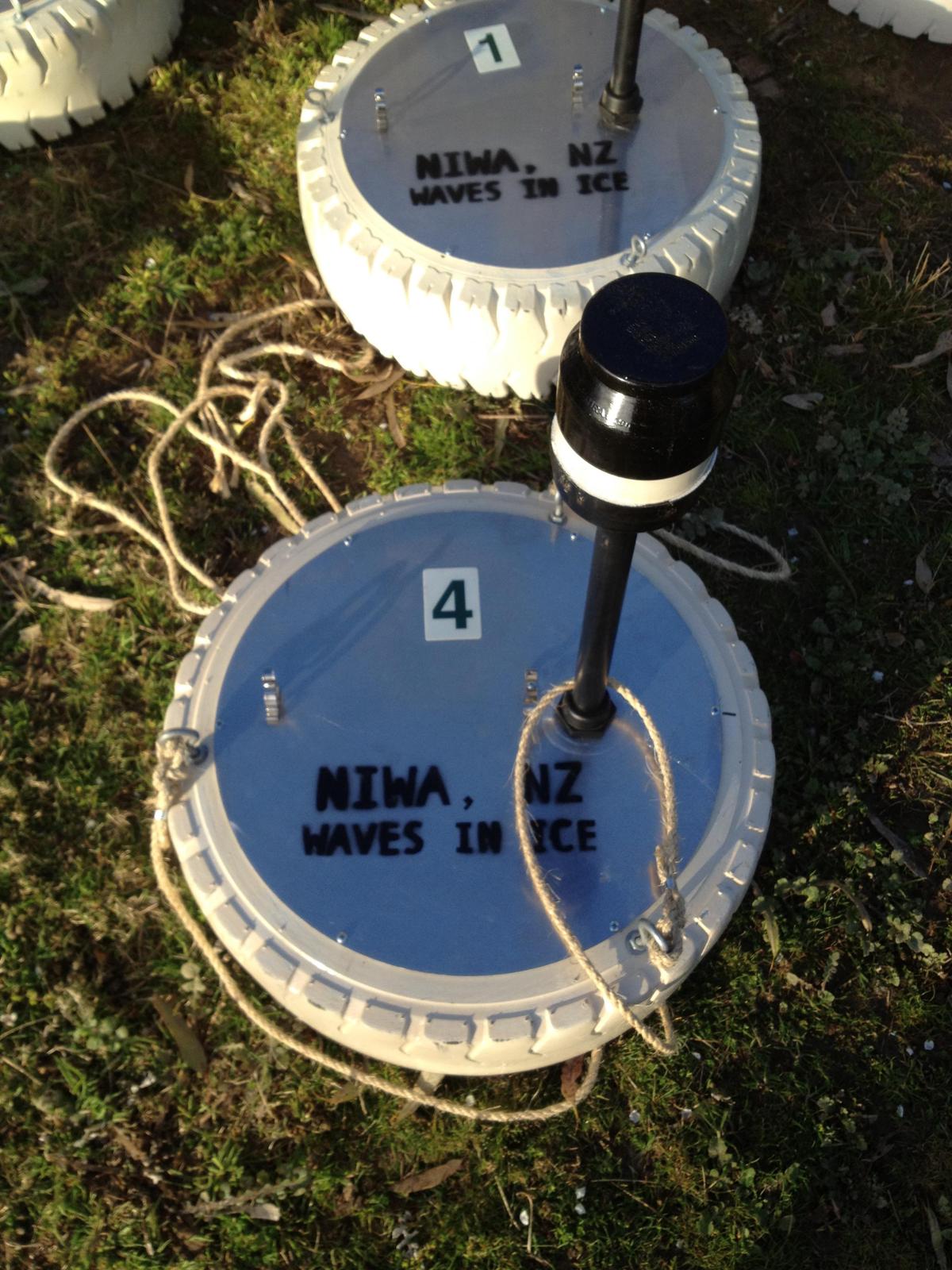
The seminal NIWA deployment: eight WII buoys sent into the Antarctic sea ice in 2012, collecting the first digital sea-ice wave-motion measurements ever made. The data they returned became the basis for the project’s headline publication two years later:
Kohout A. L., Williams M., Dean S., et al. (2014). Storm-induced sea-ice breakup and the implications for ice extent. Nature, 509, 604–607.
This was the work that established empirically — not just modelled — that ocean waves drive sea-ice breakup in the marginal ice zone, with direct implications for the rate and timing of Antarctic ice-edge retreat.
Every WII generation since has been an iteration on the platform first proved by these eight buoys.
See also
- Publications — full bibliography including the Nature paper.
- SIPEX II — a separate 2012 Antarctic observation campaign, also led by NIWA.
- Alison Kohout’s project page — the scientific lead on the deployment.